
Building Demand and New Opportunities for the Next Generation of Farmers with Willis Jepson
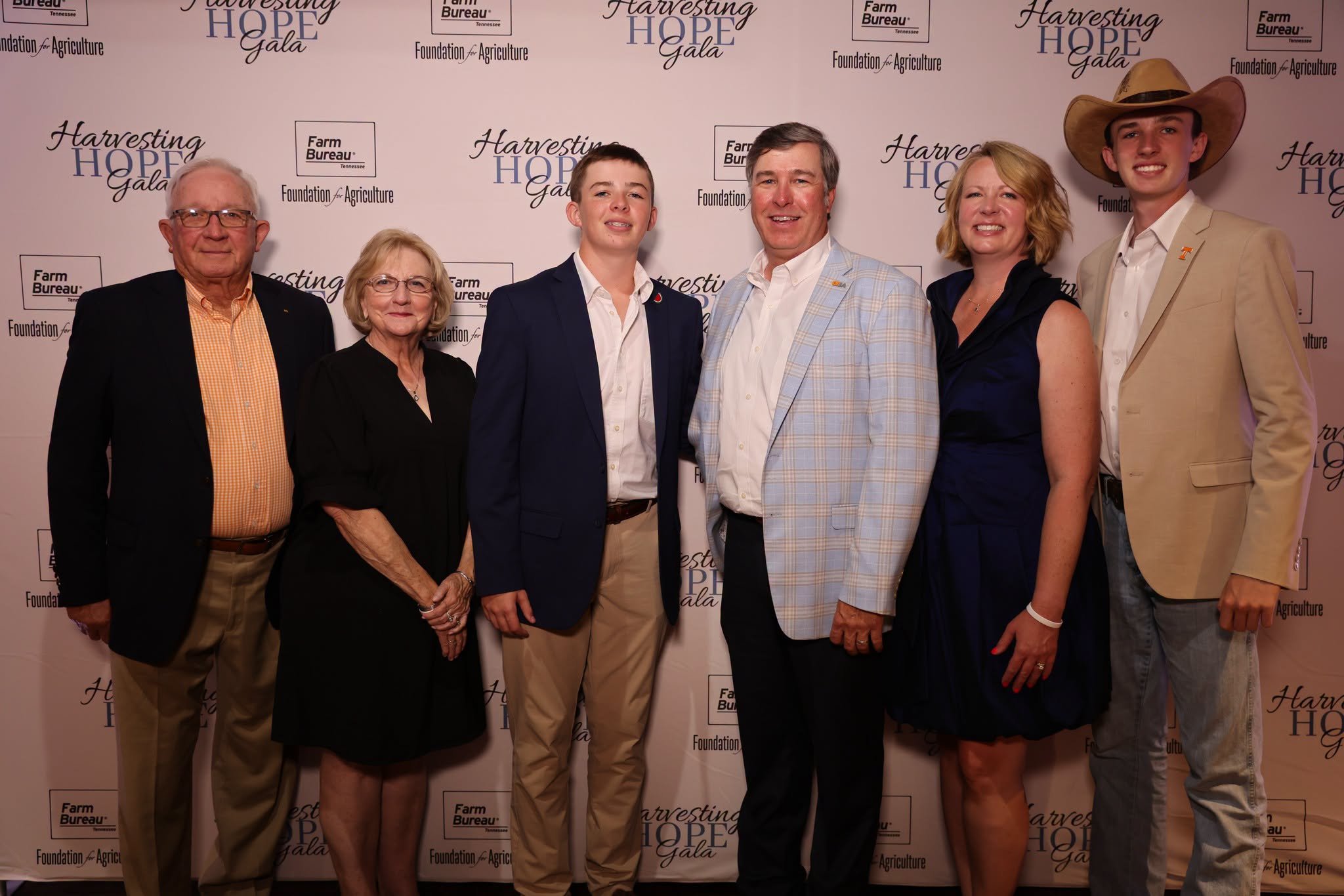
Willis Jepson, Tennessee Corn Board Member, and his family.
For Willis Jepson, farming is all about carrying forward a legacy, finding new opportunities, and helping create a future where the next generation can continue farming.
Willis is a seventh-generation farmer from Orlinda, Tennessee. His family has farmed in the area since 1806, and today, Jepson Family Farms grows corn, soybeans, wheat, canola, barley, and dark-fired tobacco across Robertson and Sumner counties as well as Simpson County, Kentucky.
In 2018, Willis partnered with his cousin Bill Pearson to establish Orlinda Melon Company. What began with a small watermelon crop has grown into a diversified produce operation raising watermelons and pumpkins for markets along the East Coast.
Willis’s two sons are also becoming increasingly involved in agriculture. In addition to helping on the farm, they have launched J3X Services, a drone application and agricultural technology business. His oldest son is preparing to attend the University of Tennessee, Knoxville, while his youngest is beginning his sophomore year of high school.
Willis recently joined the Tennessee Corn Promotion Board as a representative of Tennessee Farmers Cooperative. He was also named the 2026 Tennessee Farmer of the Year, giving him a platform and opportunity to share the story of Tennessee agriculture.
We caught up with Willis to discuss his recent win, his family’s farming legacy, their diversified crops, the importance of building demand for corn, and what agriculture needs to remain strong for future generations.
Q: Your family has farmed in this area since 1806. What does it mean to be part of that legacy?
Willis:
Being part of a multigenerational farm is a unique experience. I grew up working alongside my grandfather, grandmother, father, and mother. I always thought it was rewarding to work alongside my parents and grandparents, but it may be even more rewarding to watch your own children grow on the farm.
You get to see them learn how to do things and begin to understand the work we do, why we do it, and why we make certain decisions. You also see them developing leadership skills. Watching all of that come together is fulfilling as a parent.
Q: What has it been like watching your sons take an interest in farming and agriculture?
Willis:
My boys have gone with me to meetings since they were old enough to walk. They’ve been to Washington, D.C., political events in our state, and they’ve watched how agricultural advocacy works.
Now, they’re able to give an elevator speech about being farmers, what we do, and why we do it. They’ve spoken with senators, governors, and other leaders, even though they are still young.
Communication skills are so important. I want them to be able to carry on a conversation, articulate their thoughts, and explain the important points that need to be made about agriculture and farming.
They have also started their own drone application business, J3X Services. They are applying fungicide with drones and using other autonomous equipment, and learning how to service it. They have done really well, and I hope they can continue growing that business.
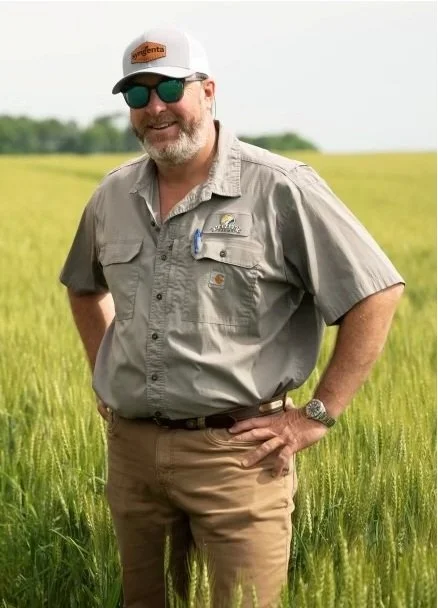
Willis Jepson of Jepson Family Farm in Orlinda was named the 2026 Tennessee Farmer of the Year.
Q: You were named the 2026 Tennessee Farmer of the Year. What did that recognition mean to you?
Willis:
It’s an honor to receive that recognition, but in my mind, it’s not really just about me or my family. It’s about Farm Bureau and the University of Tennessee using the award to showcase agriculture across our state.
It gives us an opportunity to show our neighbors and consumers in both rural and metropolitan communities the importance of agriculture. Agriculture built this state, agriculture has sustained this state, and agriculture will continue to do those things in the future.
We need to use every opportunity we have to bridge the gap with the other 98% of the population and explain what we do and why it matters.
People walk into a grocery store 365 days a year and expect a watermelon, orange, or avocado to be there whenever they want it. But someone is working every day to make that possible. Food and fuel cannot stop. They’re needed 24 hours a day, seven days a week, 365 days a year.
Q: Your farm raises a wide range of crops. How do you think about diversification?
Willis:
I tell people that diversification is a lot like revenue insurance.
The more crops you have, the more opportunities you have to produce a good yield based on the weather during different parts of the season. You also have more marketing opportunities and better pricing windows than you would if you relied on one crop.
Rotational crops also benefit the farm agronomically. I think one reason we have been successful long-term is that we have been willing to try new things.
Q: What led you and the Pearson family to start Orlina Melon Company?
Willis:
Bill Pearson and I are cousins. His family also has a multigenerational farm, and he has three sons. Tobacco helped pave the way for both of us to return to our family farming operations, but we recognized years ago that tobacco was becoming a sunset industry.
The cost of production was increasing much faster than what we were being paid. We used to say that we made a living growing corn, wheat, and soybeans, but we made money growing tobacco. That was the money used to pay for farms, college educations, trucks, and other investments. That’s not necessarily the case anymore.
We knew we had five young men, my sons and his, who appeared to be interested in farming. We had to think about what the future would look like and how we could create an opportunity for them if they wanted to come back.
Because we had raised tobacco, we were already familiar with intensively managed specialty crops, seasonal labor, and paying close attention to the details involved in producing a higher-value crop. We began looking for something that complemented those skills.
We knew we could grow almost any crop in our area. The bigger question was whether we could sell it.
We had an opportunity to grow watermelons for a broker who could market them, so we started with a small crop in 2018. We took our lumps and learned along the way, but we have been blessed with good relationships and a lot of success.
We added pumpkins in 2022, and this year, we have more pumpkin acres than watermelon acres. I am hopeful that the business will provide another avenue for our children to return to agriculture.
Q: How has your definition of diversification continued to grow?
Willis:
Diversification can mean more than raising a variety of crops. We can also do things that are not directly tied to commodity markets.
That was part of the reason we encouraged the boys to start J3X Services. It gives them another revenue stream through drone applications.
The past couple of years have been difficult in farming. I’ve told both of my boys that I want them to farm if that’s what they want to do, but they also need other skills and opportunities. If the farm is not making money, dividing zero between more people is still zero.
We have to think more broadly about the businesses and services that can complement production agriculture.
Q: Why are E15 and advanced biofuels important to you as a corn farmer?
Willis:
From a corn farmer’s perspective, it begins with demand. The more demand we create for our crop, the better the potential outcome for corn farmers.
But it goes deeper than that. Food and energy are two of the biggest drivers of geopolitics around the world, and farmers are positioned right in the middle of both.
We experience the consequences when fertilizer, fuel, and other production costs increase. If farmers are going to bear those consequences, we should also have a seat at the table as solutions are developed.
Domestic fertilizer production and domestic energy production go hand in hand. To me, they are both national security issues.
We should not have to worry about international conflicts determining whether we can afford fertilizer or fuel when we have the ability to produce American energy and American fertilizer. We can use those resources to grow corn, soybeans, canola, and other crops, then turn those crops back into energy.
It creates a more closed and sustainable system. There are not many solutions that check that many boxes, but biofuels do.
Q: What opportunities do you see for Tennessee Corn to help strengthen demand?
Willis:
Advocacy at both the state and federal levels is extremely important.
There’s an opportunity to bring more advanced biofuel production to Tennessee, including sustainable aviation fuel. If we don’t move proactively, someone else will create those opportunities somewhere else.
Tennessee Corn can use its influence, time and resources to work with the governor, state legislators and representatives in Washington to support advanced biofuel production. Ultimately, that helps create more demand for the corn grown in our state.
Q: Why are you a member of the Tennessee Corn Growers Association?
Willis:
Membership gives farmers an opportunity to participate in the process.
Whether we are talking about creating demand, advocating for policy or determining how checkoff funds are invested, farmers have a chance to be involved.
Farmers can serve on boards, help decide which research projects receive support and guide the direction of the organization.
It’s easy to complain from the outside, but if you want your voice to be heard, you have to participate.
The world is led by the people who show up.
Q: What value does the corn checkoff provide to your operation?
Willis:
When we increase demand, it should strengthen the price farmers receive for corn. When we advocate for lower energy costs, lower production costs and more domestic fertilizer production, that can also improve the farm’s bottom line.
The value comes from seeing those long-term efforts through.
The work Tennessee Corn does is a lot like planting a tree knowing that you may never sit in its shade. We are building something for the next generation of farmers.
I look at my boys and think that if I can do something to enhance their ability to produce crops in the future, I can leave that legacy not only for my family but for future farm families across the state.
Q: Tennessee Corn is celebrating 40 years. What do you hope the organization continues to do for farmers?
Willis:
I hope the leadership of the Tennessee Corn Growers Association and participation from corn farmers can help sustain the industry into the future.
There are a lot of challenges in agriculture. Profitability is one of them. Land use is another.
Robertson County shares a border with Davidson County and Metro Nashville, so development pressure is very real in our area. The key to keeping farms in families and keeping land in agricultural production is creating opportunities for farmers to be successful and profitable.
We have to make it possible for a farmer to justify continuing to raise corn, other crops or livestock instead of selling the land for other uses.
Some people look at farmland and think it is “just a farm.” We have to continue helping them understand why the work happening on that land is so important.
Q: What else would you like to see from agricultural organizations moving forward?
Willis:
I’d like to see greater cooperation across commodity groups. In agriculture, we sometimes load up our silos with our own commodity group, and then everyone works to get their silo filled before someone else’s. But agriculture is interconnected. What benefits corn farmers can also create opportunities for soybean, wheat, cattle, poultry and hog farmers.
There is power in numbers, and the reality is that farmers represent a small portion of the population. We need to bring people together around common goals.
As the tide comes in, everyone’s boat should be rising. If somebody’s boat has a hole in it, we need to help them fix it.
Working together gives us a better chance to move all of agriculture forward.
Check out more of our recent farmer features:
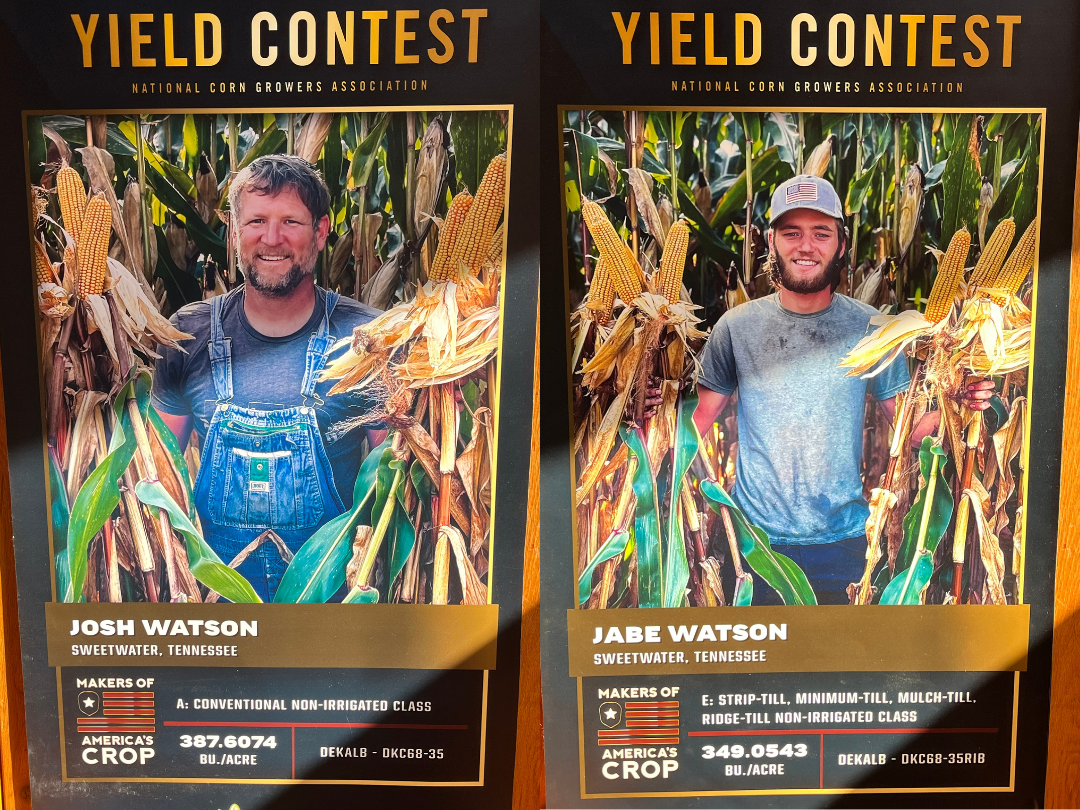
Growing More Than Corn: A Father and Son Find Success in East Tennessee
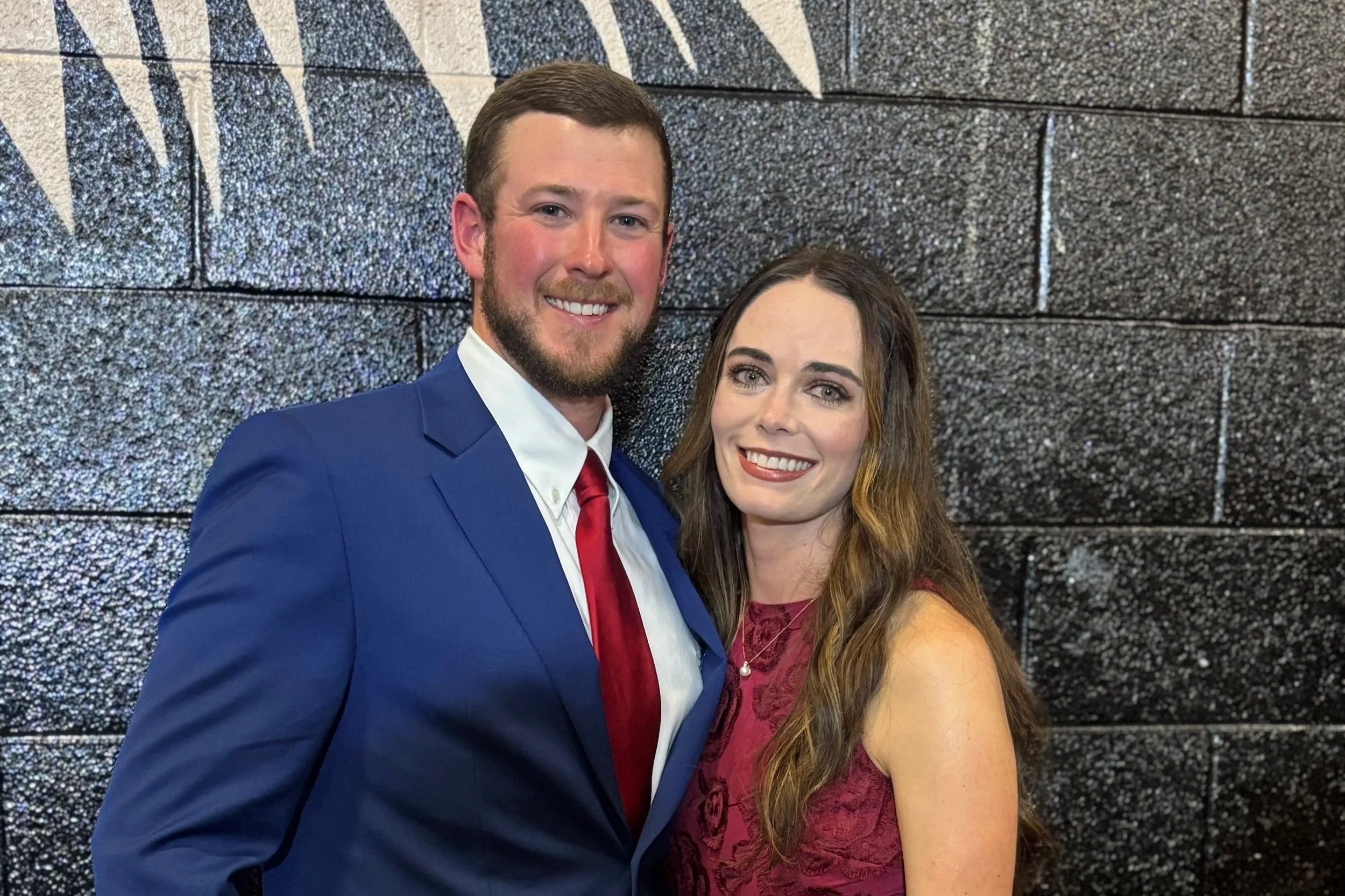
Stepping Into the Next Generation of Farm Leadership with Rad McDavid

Tennessee Farm Gives Back to Military Families
Want more stories like this?
Get the latest Tennessee corn farmer features, updates and insights delivered to your inbox. Sign up for our newsletter to stay connected with what’s growing at Tennessee Corn.
About the Tennessee Corn Promotion Board
The Tennessee Corn Promotion Board (TCPB) works on behalf of Tennessee’s corn farmers to invest checkoff dollars in research, market development, education, and promotion. Through these efforts, TCPB helps ensure a strong future for corn production across the state, while connecting the value of corn to consumers, livestock producers, and the industries that rely on it.